Kenwood: St. Pete's Historic Bungalow District by the Numbers
Kenwood sits just northwest of downtown St. Petersburg, bounded roughly by 16th Street to the east, 31st Street to the west, Central Avenue to the south, and 5th Avenue North to the north. Known formally as the Historic Kenwood neighborhood, it carries a local historic district designation that shapes what property owners can and cannot do with their homes. This profile presents objective market and demographic data to help buyers, sellers, and researchers understand the neighborhood's current position.
Housing Stock and Architecture
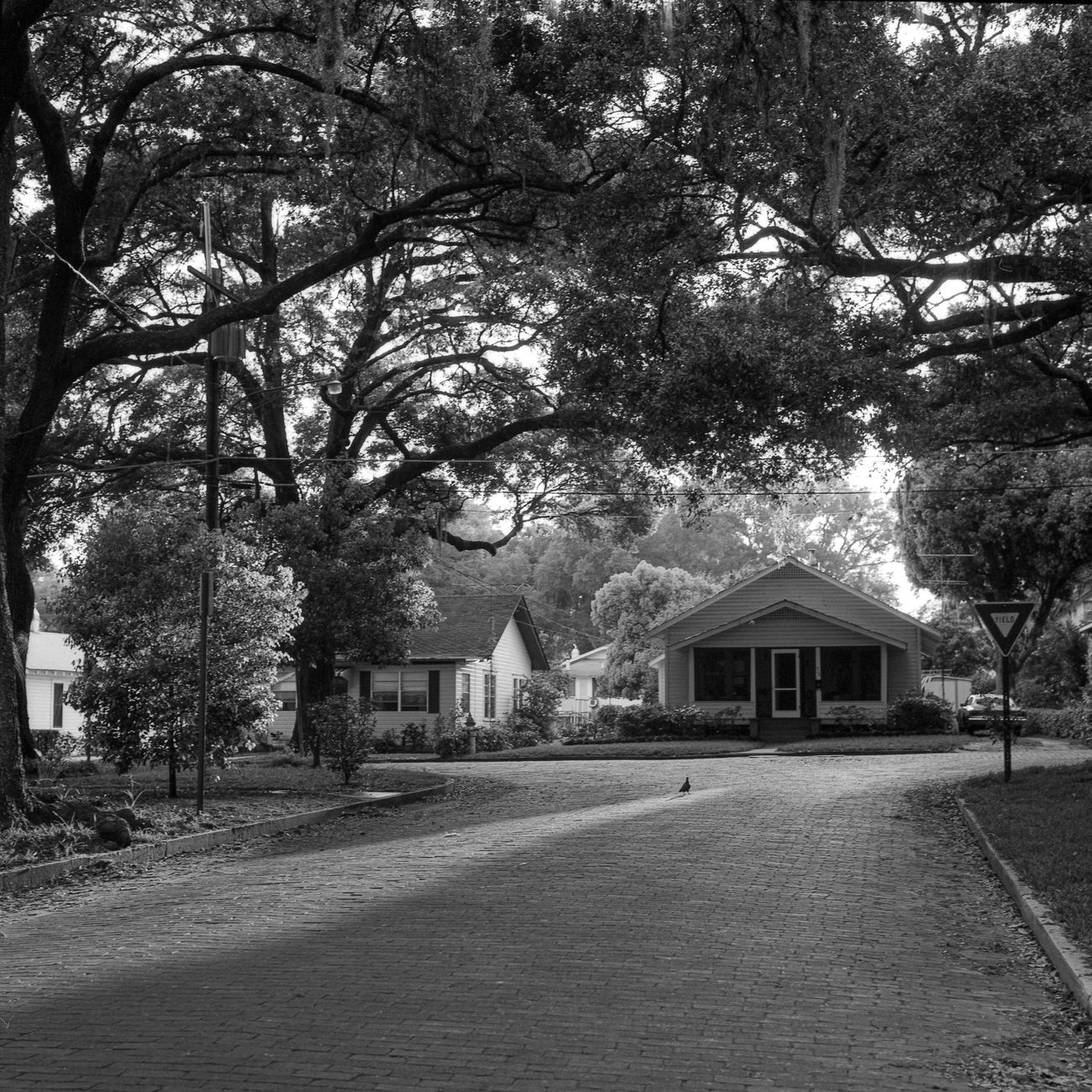
Kenwood's residential character is defined primarily by its Craftsman bungalows, built predominantly between 1910 and 1940. The neighborhood contains approximately 1,200 residential parcels, the majority of which are single-family homes. Key structural characteristics include:
- Predominant style: Craftsman and American Foursquare bungalows
- Typical lot size: 50 × 127 feet (6,350 square feet)
- Median interior square footage: 1,050–1,400 sq ft for original bungalows
- Construction era: 70–80% of homes built before 1950
- Garage prevalence: Detached garages and carriage houses are common; attached garages are rare
A meaningful portion of properties in Kenwood have undergone renovation or addition. Accessory dwelling units (ADUs) have increased in number following Pinellas County and city zoning updates that made permitting more accessible. As of recent city records, Kenwood has one of the higher concentrations of permitted ADUs in St. Petersburg's inner neighborhoods.
Historic District Designation and Its Implications
Kenwood is designated a local historic district by the City of St. Petersburg. This means exterior modifications visible from a public right-of-way require a Certificate of Appropriateness (COA) issued by the city's Historic Preservation Commission. Buyers should factor review timelines and design standards into renovation planning.
The designation does not prevent interior renovations, additions to rear elevations, or landscaping changes that do not alter the streetscape character. Properties within the district may qualify for:
- Florida's Historic Property Tax Exemption (ad valorem exemption for qualified improvements)
- State and federal historic tax credits for income-producing properties
- City façade improvement programs when periodically available
Property Values and Market Trends
Kenwood experienced significant appreciation across the 2018–2023 period, consistent with broader St. Petersburg market dynamics. The following figures are drawn from Pinellas County Property Appraiser data and MLS historical records:
- Median sale price (2019): approximately $285,000
- Median sale price (2022): approximately $475,000
- Median sale price (2023–2024 range): approximately $430,000–$510,000
- Price per square foot: typically $300–$420 depending on renovation level
- Average days on market (2023–2024): 25–45 days
Fully renovated bungalows with ADUs or expanded square footage have transacted above $600,000. Unrenovated properties in original condition typically enter the market in the $340,000–$410,000 range, depending on lot condition and roof/mechanical age.
Assessed Value vs. Market Value
Florida's Save Our Homes cap limits annual increases in assessed value for homesteaded properties to 3% or the Consumer Price Index, whichever is lower. Long-term homesteaded owners in Kenwood often carry assessed values substantially below current market value. Buyers who purchase will have their assessed value reset to market value in the year following acquisition, which affects property tax projections significantly.
Property Tax Reference Data
Pinellas County's millage rates are set annually by multiple taxing authorities. For a property assessed at $450,000 with a standard homestead exemption of $50,000, the taxable value would be $400,000. At a combined millage rate of approximately 19–21 mills (varying by year and special district inclusion), annual property taxes typically fall in the range of $7,600–$8,400 for a homesteaded owner at that assessed value.
Non-homesteaded properties, investment properties, and recently sold properties face the full assessed value without the SOH cap benefit, resulting in materially higher tax bills in the first years of ownership.
Flood Zone and Insurance Considerations
Kenwood sits on generally higher ground relative to St. Petersburg's coastal and low-lying areas. The majority of the neighborhood falls within FEMA Flood Zone X, which is considered a minimal-flood-hazard area and does not require federally mandated flood insurance for federally backed mortgages. However, individual parcel determinations vary and buyers should obtain a flood zone determination specific to the property address.
Windstorm and homeowners insurance costs have risen sharply in Florida. Buyers in Kenwood should budget for:
- Homeowners insurance: $3,000–$6,000+ annually depending on age of roof, construction type, and insurer
- Windstorm coverage: May be separate from HO policy; Citizens Property Insurance Corporation is a common insurer in the market
- Roof age sensitivity: Many insurers limit coverage or decline policies for roofs older than 15–20 years; this is a material due diligence item for Kenwood's aging housing stock
Rental Market Indicators
Kenwood's relatively high renter-occupancy rate and proximity to downtown St. Petersburg and multiple employment corridors support an active rental market. Observed rental ranges for the neighborhood include:
- 1-bedroom units (including ADUs): $1,400–$1,900/month
- 2-bedroom bungalows or units: $1,800–$2,600/month
- 3-bedroom single-family homes: $2,400–$3,400/month
Investors who have added permitted ADUs to bungalow lots have reported rental income from the accessory unit ranging from $1,200–$1,700 per month, which some use to offset carrying costs on the primary structure.
Zoning and Land Use Designations
Most of Kenwood is zoned NT-1 (Neighborhood Traditional) under the City of St. Petersburg's zoning code. This designation is intended to preserve the character of traditional single-family neighborhoods while allowing for compatible infill and accessory structures. Key provisions relevant to buyers and investors include:
- Single-family residential use is the primary permitted use
- ADUs are permitted by right on qualifying lots under current code
- Short-term rental regulations apply; operators must obtain a city license and comply with density and operator-presence requirements
- Home-based businesses are permitted with limitations on signage, employees, and customer traffic
Buyers interested in multi-unit conversion should consult directly with the City of St. Petersburg's Development Services Department, as historic district overlay requirements interact with base zoning provisions.
Walkability, Transit, and Connectivity Metrics
Kenwood's urban grid layout and proximity to Central Avenue contribute to above-average walkability scores for the St. Petersburg market. Third-party walkability indices typically score the neighborhood in the 70–80 range (out of 100), categorized as "Very Walkable" by Walk Score methodology.
Transportation Infrastructure
- PSTA bus service: Multiple routes serve the neighborhood, including routes along Central Avenue and Dr. Martin Luther King Jr. Street
- Bike infrastructure: The neighborhood benefits from proximity to the St. Pete urban trail network; bike lanes are present on selected streets
- Distance to downtown St. Petersburg: approximately 1.5–2.5 miles depending on specific address
- Distance to St. Pete-Clearwater International Airport: approximately 10–12 miles
- Distance to Tampa International Airport: approximately 20–22 miles
Schools and Educational Facilities
Kenwood is served by Pinellas County Schools. Attendance zone assignments should be verified directly with the district, as boundaries are subject to periodic revision. Generally applicable schools for the neighborhood include:
- Elementary: Woodlawn Elementary School
- Middle: John Hopkins Middle School
- High: St. Petersburg High School
Pinellas County Schools operates a choice program that allows families to apply to magnet and special programs outside their attendance zone. Buyers with school-age children should research current program offerings and application timelines through the district directly.
Infrastructure and Utility Considerations
Kenwood's age means buyers should conduct thorough due diligence on infrastructure components common to pre-1950 construction:
- Electrical systems: Knob-and-tube wiring and older panel configurations are present in unrenovated homes; insurers increasingly require updates prior to binding coverage
- Plumbing: Cast iron drain lines and galvanized supply lines are common in homes that have not been replumbed; inspection is essential
- Foundation: Pier-and-beam construction is standard; periodic leveling and wood rot inspection are maintenance considerations
- Sewer: City sewer service; connection status and lateral condition should be verified
- Water: St. Petersburg Utilities provides water service; lead service line inventory updates are ongoing citywide
Market Position Within St. Petersburg
Within the broader St. Petersburg residential market, Kenwood occupies a mid-to-upper-middle tier by price point. It is generally priced above neighborhoods farther from downtown and above comparable-era neighborhoods with lower renovation activity, but below waterfront and luxury-tier neighborhoods such as Snell Isle, Old Northeast (waterfront blocks), and Venetian Isles.
Its historic designation, architectural consistency, walkability, and proximity to the Central Avenue commercial corridor have sustained buyer demand even during periods of broader market softening. Inventory in Kenwood has historically been constrained relative to buyer interest, which has supported price stability.
Comparable Neighborhoods by Price Tier
- Similar price range: Euclid-St. Paul, Roser Park, Historic Old Northeast (non-waterfront)
- Lower price range: Childs Park, Midtown, portions of South St. Pete
- Higher price range: Snell Isle, Coffee Pot Bayou, Venetian Isles
Key Due Diligence Checklist for Buyers
- Obtain a Certificate of Appropriateness review timeline from the city for any planned exterior modifications
- Commission a four-point inspection (roof, electrical, plumbing, HVAC) prior to purchase
- Request a specific flood zone determination for the parcel address
- Obtain insurance quotes before closing; do not assume insurability
- Verify current school attendance zones with Pinellas County Schools directly
- Confirm ADU permitting status if an accessory structure is present on the property
- Review Pinellas County Property Appraiser records for assessed value, exemption status, and any open permits
- Consult the city's short-term rental registry if investment or short-term rental use is intended
Data Sources and Methodology
The figures presented in this profile are drawn from the following publicly available sources:
- Pinellas County Property Appraiser (pcpao.gov)
- U.S. Census Bureau American Community Survey (5-year estimates)
- City of St. Petersburg Development Services and Land Use records
- FEMA National Flood Insurance Program flood map service
- St. Petersburg Police Department public crime data portal
- Pinellas County Schools district records
- Florida Department of Revenue property tax data
- MLS historical sales data aggregated from public records
Note: Real estate market data reflects conditions as of the research period and is subject to change. All figures should be independently verified. This profile is intended for informational purposes and does not constitute legal, financial, or real estate advice.