The Luxury Landscape Has Completely Changed
When I started my real estate career over 10 years ago, luxury in St. Petersburg meant a certain square footage, a certain price point, and maybe a water view if you were lucky. Today? The definition of luxury real estate has been completely rewritten, and honestly, it's more exciting than ever.
The pandemic shifted everything. Suddenly, homes weren't just places to sleep and store our stuff—they became offices, gyms, entertainment centers, and sanctuaries. The buyers I work with aren't just looking for impressive square footage anymore. They want homes that enhance every aspect of their lives, and they're willing to pay premium prices for features that truly deliver on that promise.
What fascinates me most is how St. Petersburg's unique climate and lifestyle have shaped what luxury means here versus other markets. We're not trying to replicate Manhattan penthouses or Aspen ski lodges. We're creating something distinctly Floridian, distinctly ours.
Wellness Integration: The New Non-Negotiable
The most dramatic shift I've witnessed is the integration of wellness features into luxury home design. This goes far beyond throwing in a gym room or adding a pool. Today's luxury buyers want homes designed around their physical and mental well-being.
I'm seeing dedicated meditation rooms with soundproofing and specialized lighting systems that mimic natural circadian rhythms. Home spas aren't just hot tubs anymore—they're full wellness suites with saunas, steam rooms, cold plunge pools, and recovery areas with infrared therapy panels.
The outdoor fitness trend has exploded in St. Pete's luxury market. I recently showed a Snell Isle property with a fully equipped outdoor gym pavilion, complete with climate-controlled storage for equipment and a yoga deck positioned to catch the sunrise over Tampa Bay. The owners told me they haven't set foot in a traditional gym since moving in.
Air and water quality systems have become standard expectations rather than nice-to-haves. Whole-home filtration systems, UV air purification, and even circadian lighting throughout the house are appearing in luxury listings regularly. One client specifically sought homes with dedicated spaces for growing microgreens and herbs year-round.
Technology That Actually Enhances Daily Life
Smart home technology has matured beyond the novelty phase. The luxury buyers I work with want seamless integration that genuinely improves their daily routines, not just impressive gadgets to show off at dinner parties.
Climate control has become incredibly sophisticated. I'm seeing systems that learn family patterns and adjust temperature, humidity, and air circulation room by room, hour by hour. One Downtown St. Pete penthouse I listed had a system that automatically adjusted based on weather forecasts, occupancy patterns, and even the residents' sleep cycles tracked through wearable devices.
Security systems have evolved into comprehensive property management platforms. These aren't just cameras and alarms—they're integrated systems monitoring everything from irrigation efficiency to pool chemistry to maintenance schedules. The system can alert homeowners to potential issues before they become expensive problems.
Lighting design has become an art form. Luxury homes now feature lighting systems that support productivity during work hours, relaxation in the evenings, and entertainment when hosting. I've seen systems that automatically adjust based on the type of gathering detected by the home's occupancy sensors.
Outdoor Living Redefined
St. Petersburg's climate advantage has always made outdoor living important, but luxury outdoor spaces have reached new levels of sophistication. We're not talking about basic lanais anymore—these are fully designed outdoor rooms that function year-round.
Outdoor kitchens have become culinary command centers. The most impressive ones I've seen include wood-fired pizza ovens, smokers, teppanyaki grills, and full refrigeration systems. One Shore Acres property featured an outdoor kitchen with a dedicated prep area, wine storage, and a dining space that comfortably seated twelve under a motorized pergola with integrated heating and cooling systems.
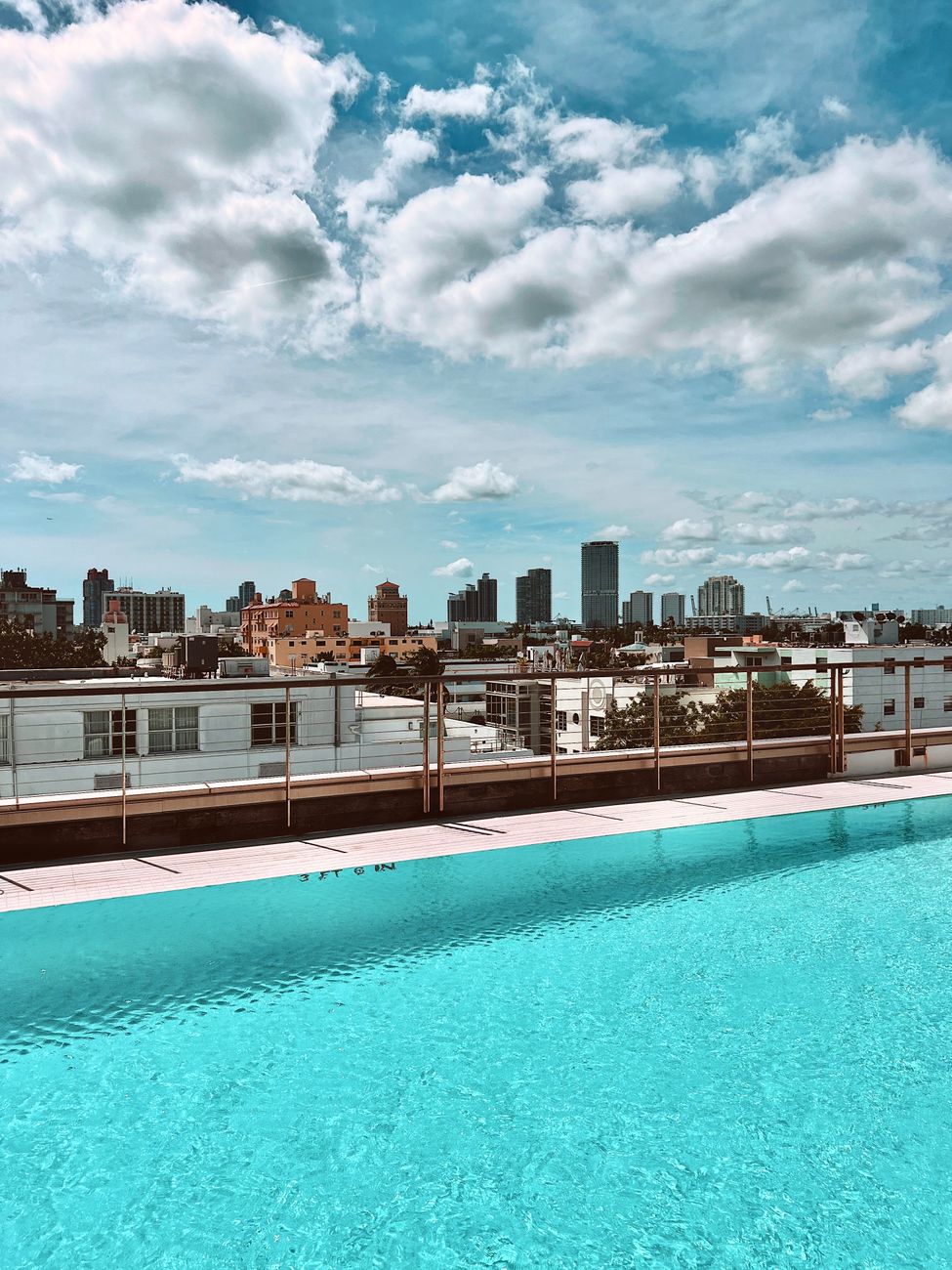
Pool design has evolved dramatically. Infinity edges are just the starting point now. I'm seeing pools with integrated spas, swim-up bars, underwater sound systems, and even underwater treadmills for aquatic fitness. The most striking trend is pools designed as water features first, swimming pools second—they're architectural elements that enhance the entire outdoor living experience.
Fire features have become focal points for outdoor gathering spaces. Beyond traditional fire pits, luxury homes are incorporating fire walls, fire bowls integrated into water features, and even fire tables that double as dining surfaces. These aren't seasonal additions—they're year-round gathering points that extend usable outdoor time even during cooler months.
Sustainability Meets Luxury
The intersection of environmental consciousness and luxury living has created some of the most innovative features I've encountered. Today's luxury buyers want homes that reflect their values without compromising on comfort or style.
Solar integration has become architecturally sophisticated. Instead of obvious panels bolted onto roofs, I'm seeing solar tiles that blend seamlessly with traditional roofing materials and solar canopies that provide shade while generating power. Battery storage systems are becoming standard, allowing homes to operate independently during power outages—a significant advantage during hurricane season.
Water management systems have become impressive technology showcases. Rainwater collection systems feed irrigation, car washing, and even pool filling. Greywater recycling systems process water from sinks and showers for landscape use. One Tierra Verde property I recently toured had a system that treated and recycled 90% of the home's water usage.
Native landscaping has evolved beyond basic xeriscaping into sophisticated ecosystem design. Luxury properties are incorporating native plant communities that support local wildlife while requiring minimal irrigation and maintenance. These landscapes change seasonally, providing year-round visual interest while supporting environmental goals.
The Experience Economy Comes Home
Perhaps the most significant trend I've observed is homes designed around experiences rather than just spaces. Luxury buyers want their homes to provide the experiences they might otherwise seek elsewhere.
Home theaters have evolved into immersive entertainment environments. I'm seeing rooms with 4K laser projectors, Dolby Atmos sound systems, and seating that rivals commercial theaters. But the most impressive installations go beyond movies—they're designed for gaming, virtual reality experiences, and even virtual travel through 360-degree projection systems.
Wine storage and tasting areas have become sophisticated entertainment features. Temperature and humidity-controlled wine rooms with tasting areas, proper glassware storage, and even cheese caves for food pairing. One Historic Kenwood property featured a wine room with a glass floor revealing a cellar below, creating a dramatic focal point for dinner parties.
Art display and collection spaces are being designed into luxury homes from the ground up. Proper lighting, climate control, and security systems for rotating displays. Some homes include dedicated gallery spaces with museum-quality environmental controls and lighting systems that can be adjusted for different types of art.
What This Means for Buyers and Sellers
Understanding these evolving luxury standards is crucial whether you're buying or selling in St. Petersburg's high-end market. For buyers, it means looking beyond traditional luxury markers like square footage and finishes to evaluate how well a home supports your lifestyle goals.
For sellers, it means recognizing that luxury buyers are making decisions based on how a home will enhance their daily lives, not just impress their guests. The properties that command premium prices are those that seamlessly integrate technology, wellness, sustainability, and experience in ways that feel natural and intuitive.
The luxury real estate market in St. Petersburg continues to evolve rapidly. What defines luxury today will likely expand and change over the next few years as new technologies emerge and lifestyle priorities continue to shift. The key is working with professionals who understand these trends and can help you navigate this sophisticated market effectively.
Throughout my career in St. Petersburg's luxury market, I've learned that the most successful transactions happen when buyers and sellers understand not just what luxury looks like today, but where it's heading tomorrow.