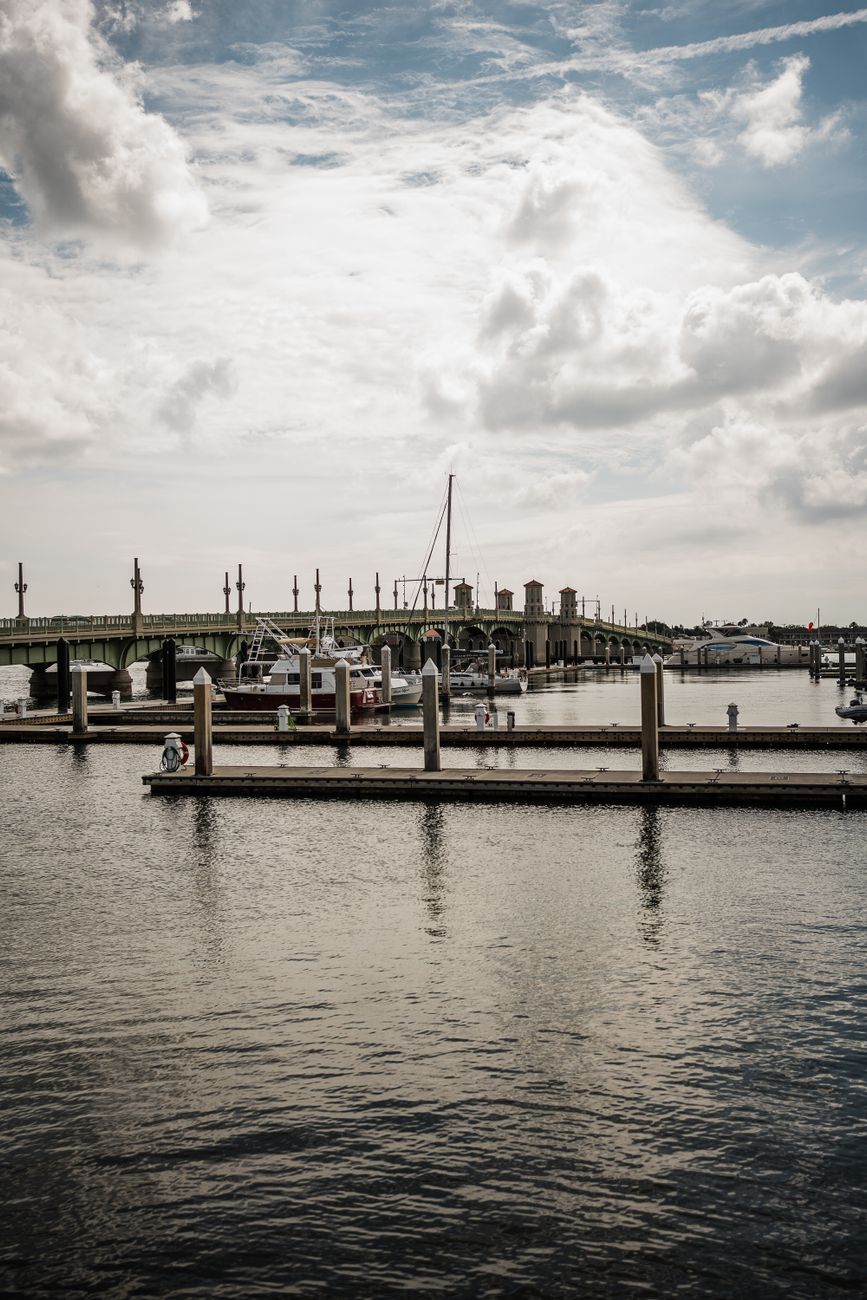
Welcome to St. Petersburg, Florida: Your Complete Relocation Guide
My name is Rakesh Bhalla, and I moved to St. Pete several years ago after spending decades in the Northeast. I want to be completely honest with you: relocating here was one of the best decisions I ever made. But it was not without surprises. This guide covers everything I wish someone had told me before I packed my boxes — the real cost of living, what the weather actually feels like day to day, and the lifestyle that makes this city unlike anywhere else in the country.
Understanding the True Cost of Living in St. Pete
Let us start with money, because that is usually what drives the conversation. St. Petersburg sits in Pinellas County, and the overall cost of living is moderate by national standards — but it is rising. If you are relocating from New York, Chicago, Boston, or Los Angeles, you will likely feel immediate financial relief. If you are coming from the Midwest or rural South, some categories may surprise you on the upside.
State and Local Taxes
Florida has no state income tax. Full stop. This is a significant financial advantage for anyone earning a salary, running a business, or drawing retirement income. For many of the people I have helped with their relocation decisions, this single factor changes their effective take-home pay by thousands of dollars annually.
- No state income tax on wages, salaries, or retirement distributions
- Sales tax in Pinellas County sits at 7%, which includes a 1% local discretionary surtax
- Property taxes are assessed at the county level and vary by municipality; Pinellas County's millage rate is competitive within Florida
- Homestead Exemption can reduce your assessed property value by up to $50,000 if St. Pete becomes your primary residence — a meaningful annual saving
- Save Our Homes cap limits assessment increases to 3% per year or the Consumer Price Index, whichever is lower, once you establish homestead status
Utilities and Monthly Expenses
Here is where people get caught off guard. Florida summers are hot and humid, and your air conditioning runs constantly from roughly May through October. Expect your electric bill to be meaningfully higher than what you paid up north during summer months. A typical single-family home in St. Pete might see electric bills ranging from $150 to $300 per month during peak cooling season, depending on the size of the home and the efficiency of the system.
- Duke Energy Florida is the primary electric provider for most of St. Pete
- Water and sewer bills are generally reasonable, typically $50–$100 monthly for a household
- Natural gas is available in parts of the city but many homes are all-electric
- Internet service is competitive, with multiple providers offering gigabit options in the $60–$100 range
The good news on utilities: you will spend almost nothing on heating. Winters here are genuinely mild, and many months you will run neither heat nor air conditioning. Your annual utility spend often balances out favorably against northern climates when you factor in heating oil, natural gas for heat, and the sheer duration of cold-weather utility use.
Transportation Costs
St. Pete is a car-dependent city. I want to be direct about this. While downtown St. Pete and some neighborhoods are quite walkable, and the Looper trolley serves a limited downtown corridor, the broader metro area requires a vehicle for practical daily living. If you are relocating from a city where you gave up your car entirely, you will need to factor in car ownership costs here.
- Car insurance in Florida is notoriously high — Florida consistently ranks among the most expensive states for auto insurance, driven by weather risks, litigation environment, and high uninsured motorist rates
- Budget $150–$300 per month or more for car insurance depending on your vehicle, driving history, and coverage levels
- Gas prices in the Tampa Bay area track closely with national averages, sometimes slightly below
- Pinellas Suncoast Transit Authority (PSTA) operates bus routes throughout the county, and the SunRunner BRT connects downtown St. Pete to St. Pete Beach — useful for some commutes
- Bicycle infrastructure has improved dramatically; the Pinellas Trail runs 38 miles and connects communities throughout the county
Healthcare Costs
The Tampa Bay area has a robust healthcare infrastructure. St. Pete is home to major hospital systems including Bayfront Health, St. Anthony's Hospital, and Johns Hopkins All Children's Hospital, while the broader region includes Tampa General and Moffitt Cancer Center. For those with employer-sponsored insurance, your premiums and coverage will depend on your employer. For those purchasing insurance independently, Florida's marketplace options are comparable to national averages, though healthcare costs in Florida have trended upward in recent years.
Homeowners and Flood Insurance
I must address this directly because it is the single most misunderstood cost item for people relocating to the St. Pete area. Insurance costs here are significant. Florida's property insurance market has experienced considerable stress, with multiple carriers exiting the state or dramatically raising premiums. This affects renters through increased rental costs as well as homeowners directly.
- Homeowners insurance can run $3,000–$8,000 or more annually depending on location, home age, construction type, and proximity to water
- Flood insurance is separate from homeowners insurance and is required by lenders for properties in FEMA-designated flood zones — which covers a substantial portion of Pinellas County
- The National Flood Insurance Program (NFIP) and private flood insurers both operate here; rates vary enormously by elevation, flood zone designation, and structure
- Citizens Property Insurance Corporation, the state-backed insurer of last resort, is a common option but has been working to reduce its policy count
When budgeting for St. Pete, I always tell people: do not underestimate insurance. It is the line item that most consistently surprises newcomers.
The St. Pete Weather Reality: What You Actually Need to Know
St. Petersburg holds the Guinness World Record for the most consecutive days of sunshine — 768 days, recorded in the early 20th century. The city averages around 361 days of sunshine annually, which is why it earned the nickname "The Sunshine City." But sunshine does not tell the whole weather story, and I want to give you a complete picture.
Seasonal Breakdown
Florida does not have four seasons in the traditional sense. We have two primary seasons — wet and dry — and two transition periods that feel gloriously pleasant.
- Dry Season (November through April): This is what draws people here. Temperatures are mild to warm, humidity is lower, and rain is infrequent. Highs in the 70s, lows in the 50s and 60s. Some January nights dip into the 40s, which feels cold to locals but will make northerners laugh. This is genuinely paradise weather.
- Transition Spring (March through May): Temperatures rise quickly. By May you are regularly in the upper 80s and humidity is climbing. This period is still quite pleasant but signals what is coming.
- Wet Season (June through September): Hot, humid, and characterized by daily afternoon thunderstorms. Highs regularly reach 90–95°F with heat indices making it feel like 100°F or more. The storms are impressive — dramatic lightning, heavy rain — but they typically pass within an hour. Mornings are often clear and beautiful.
- Transition Fall (October through November): The humidity breaks, temperatures moderate, and the city exhales. Many longtime residents consider October and November the best months of the year.
Hurricanes: An Honest Conversation
I will not sugarcoat this. St. Petersburg sits on a peninsula surrounded by Tampa Bay and the Gulf of Mexico. The Tampa Bay area was long considered statistically overdue for a major hurricane, and in 2024, the region experienced the impacts of Hurricane Helene and Hurricane Milton in close succession — a sobering reminder that hurricane risk here is real.
What does this mean practically for someone relocating?
- Understand evacuation zones. Pinellas County has designated evacuation zones (A through F) based on storm surge risk. Know which zone your home or apartment falls in before you sign anything.
- Have a plan. This means knowing where you would go, having supplies ready, and understanding that during a major storm, leaving early is always the right call.
- Modern construction helps. Homes built to Florida Building Code post-2004 are significantly more resilient than older structures. Building age and construction standards matter enormously for both safety and insurance costs.
- The community responds well. St. Pete has strong community infrastructure for hurricane preparation and recovery. Neighbors help neighbors here in ways that genuinely impress.
Do not let hurricane risk paralyze you — millions of people live here happily and safely for decades. But do go in with clear eyes.
Sun Exposure and Skin Protection
This sounds like a minor point but it genuinely changes your daily routine. The Florida sun is intense. UV index levels here regularly reach 10 or 11 (extreme) during summer months. People who relocate from northern climates often underestimate this. Sunscreen becomes a daily habit, not an occasional beach precaution. Protective clothing, hats, and shade-seeking behavior become second nature. Your relationship with the sun here is simply different than anywhere north of Georgia.
The St. Pete Lifestyle: What Makes This City Special
Beyond the numbers and the weather, there is a quality of life in St. Pete that is genuinely difficult to quantify. I have lived in several cities, and this one has a particular energy — creative, welcoming, active, and distinctly unhurried compared to major metro areas without feeling sleepy or provincial.
The Arts and Culture Scene
St. Pete has emerged as one of the most vibrant arts cities in the Southeast, and this is not marketing language — it is observable reality. The city has more museums per capita than almost any city in the country. The Salvador Dalí Museum alone draws international visitors and is considered one of the finest art museums in the American South. The Chihuly Collection, the Museum of Fine Arts, the Florida Holocaust Museum, and the James Museum of Western & Wildlife Art give the city a cultural depth that surprises people who expected a beach town.
- The SHINE Mural Festival has transformed the city's walls into a sprawling outdoor gallery
- The Grand Central District and Edge District are home to galleries, studios, and creative businesses
- The Palladium Theater and Mahaffey Theater host performances ranging from classical music to touring Broadway productions
- A thriving independent music scene supports local venues and original artists year-round
Outdoor Recreation and Active Living
If you are someone who values an active outdoor lifestyle, St. Pete rewards that instinct generously. The combination of warm weather, waterfront access, and public infrastructure for outdoor recreation is exceptional.
- Fort De Soto Park is consistently ranked among the best parks and beaches in the United States — it is extraordinary, and it is free
- Weedon Island Preserve offers kayaking, hiking, and wildlife observation within city limits
- The Pinellas Trail is a 38-mile multi-use trail running the length of the county — cycling, running, and skating are all popular
- Pickleball has exploded here, with public courts throughout the city; St. Pete has become a legitimate pickleball hub
- Water sports of every variety — kayaking, paddleboarding, sailing, fishing, kiteboarding — are accessible and year-round pursuits
- Vinoy Park on the downtown waterfront hosts events, fitness activities, and simply beautiful morning walks along Tampa Bay
Community and Neighborhoods
St. Pete is a city of distinct neighborhoods, each with its own character. Understanding the neighborhood fabric helps you find where you will fit best.
- Downtown St. Pete is walkable, energetic, and home to young professionals and empty-nesters who want urban amenities
- Old Northeast is one of the city's most beloved historic neighborhoods — tree-lined streets, bungalows, and strong community identity
- Kenwood and Historic Kenwood have attracted artists and creative professionals with their craftsman homes and collaborative spirit
- Gulfport, technically a separate city within Pinellas County, has a bohemian, artsy character and a devoted community of residents
- South St. Pete is a culturally rich area with deep roots and ongoing revitalization investment
- Snell Isle and Venetian Isles are waterfront communities with a quieter, residential feel
The Pace and Culture of Daily Life
St. Pete operates at a pace that I would describe as intentional rather than rushed. People here are friendly in a genuine way — not performatively so. The city has grown significantly and become more cosmopolitan over the past decade, attracting professionals, entrepreneurs, and remote workers, but it has retained a sense of community that larger cities often lose.
The LGBTQ+ community has deep roots in St. Pete, and the city is consistently recognized as one of the most welcoming and inclusive cities in Florida. The annual Pride celebration is one of the largest in the state. This welcoming culture extends broadly — St. Pete has a reputation for embracing diversity of background, identity, and lifestyle.
The professional and entrepreneurial ecosystem has grown substantially. The Greenhouse, a business incubator, anchors a growing startup community. Remote workers have discovered that St. Pete offers big-city cultural amenities with a more manageable daily pace. The presence of Raymond James Financial, Jabil, and a growing tech sector provides employment depth beyond tourism and hospitality.
Sports and Community Events
Tampa Bay is a legitimate sports town, and St. Pete is embedded in that culture.
- The Tampa Bay Rays play at Tropicana Field in St. Pete, though a new ballpark development has been a long-discussed civic conversation
- The Tampa Bay Buccaneers and Tampa Bay Lightning are based across the bay in Tampa, easily accessible
- The St. Pete Grand Prix brings IndyCar racing through downtown streets each January — a spectacular event that energizes the entire city
- The St. Pete Pride Parade and Festival, the Waterfront Arts Festival, and dozens of neighborhood events keep the community calendar full year-round
Making the Transition: Practical Relocation Considerations
Driver's License and Vehicle Registration
Florida requires new residents to obtain a Florida driver's license within 30 days of establishing residency. You will need to visit a Pinellas County Tax Collector office with your current out-of-state license, proof of identity, proof of Social Security number, and two proofs of residential address. Vehicle registration must be transferred within 10 days of becoming a Florida resident. The process is straightforward but does require in-person visits.
Establishing Florida Residency
For those relocating from high-income-tax states, properly establishing Florida domicile is important. This goes beyond simply having a Florida address. Steps include:
- Obtaining a Florida driver's license
- Registering vehicles in Florida
- Registering to vote in Florida
- Filing for Homestead Exemption if you own your home
- Updating your address with financial institutions, the IRS, and other relevant parties
- Spending the majority of the year in Florida
If you are leaving a state with aggressive residency auditing — New York and California are notable examples — consult with a tax professional about documenting your domicile change properly.
Schools and Education
Pinellas County Schools is the eighth-largest school district in Florida and operates a robust magnet school program that gives families meaningful options within the public school system. The district has schools of varying quality, and researching specific schools in your target neighborhood is worthwhile. For private schooling, the area has numerous options across religious and secular traditions. For higher education, St. Pete is home to the University of South Florida St. Petersburg campus and Eckerd College, a well-regarded liberal arts institution on the waterfront.
Healthcare Access
Pinellas County has strong healthcare access relative to much of Florida. In addition to the hospital systems mentioned earlier, the area supports a large network of specialists, primary care physicians, and urgent care facilities. BayCare Health System is one of the region's dominant healthcare networks. For those with specific medical needs or specialists, it is worth confirming that your providers or equivalent alternatives are available here before finalizing your relocation.
The Bottom Line: Is St. Pete Right for You?
After helping many people think through relocation decisions, I have found that St. Pete tends to be an excellent fit for people who:
- Value outdoor living and an active lifestyle
- Appreciate arts, culture, and community events
- Are comfortable with a car-dependent environment
- Can budget honestly for insurance costs and summer utilities
- Want a genuine sense of neighborhood and community
- Are prepared to take hurricane preparedness seriously
- Value diversity and an inclusive community culture
It tends to be a harder fit for people who require robust public transit, want to avoid heat and humidity entirely, or are unprepared for the insurance realities of coastal Florida living.
St. Pete is not a perfect city — no city is. But it has a particular combination of sunshine, culture, community, and quality of life that I have not found replicated elsewhere. If you are thinking seriously about making the move, I am glad you are doing your research, and I hope this guide gives you an honest foundation for that decision.
Rakesh Bhalla is a St. Petersburg, Florida resident and relocation resource writer helping people navigate the realities of life on Florida's Suncoast.